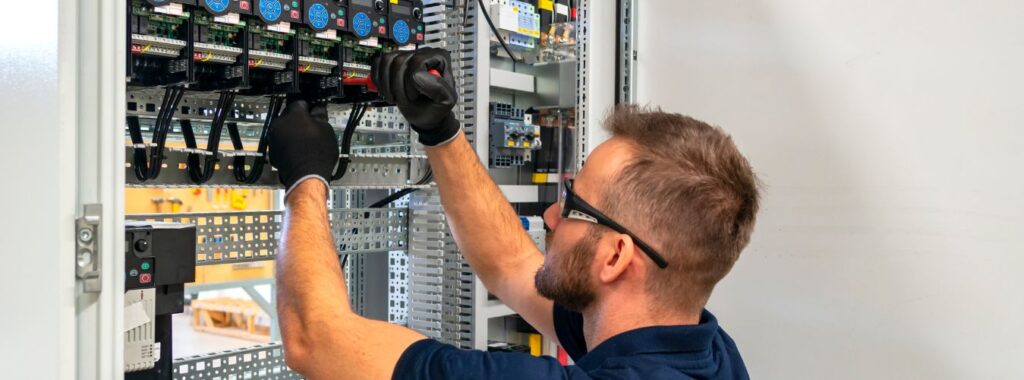
Understanding Surge Protection
Surge protection is essential for safeguarding your home’s electrical systems from unexpected voltage spikes caused by lightning strikes, power outages, or faulty wiring. These surges can damage sensitive electronics, appliances, and even the electrical infrastructure of your home.
There are various types of surge protection devices available, including whole-house surge protectors and point-of-use surge protectors. Whole-house systems are installed at your electrical panel and provide comprehensive protection, while point-of-use devices are designed for specific appliances and electronics, offering an extra layer of security.
Benefits of Installing Surge Protectors
Installing surge protectors can significantly reduce the risk of damage to your home’s electrical systems and connected devices. They help to mitigate the financial burden associated with repairing or replacing damaged electronics and appliances, providing peace of mind to homeowners.
In addition to protecting your devices, surge protectors can enhance the longevity of your electrical systems by preventing wear and tear caused by voltage fluctuations. This proactive measure can lead to lower maintenance costs and improved reliability of your home’s electrical infrastructure.
Choosing the Right Surge Protection System
Selecting the appropriate surge protection system for your home involves considering factors such as the size of your home, the number of devices you want to protect, and your budget. It's important to assess your specific needs to ensure optimal protection against electrical surges.
Consulting with a qualified electrician can provide valuable insights into the best surge protection options for your situation. They can help you evaluate your home’s electrical layout and recommend systems that offer the best coverage and efficiency for your needs.
Maintenance and Testing of Surge Protectors
Regular maintenance and testing of surge protection devices are crucial to ensure they function effectively when needed. Many surge protectors have indicator lights that signal their operational status, allowing homeowners to easily check if they are still providing protection.
It is advisable to replace surge protectors every few years or after a significant surge event, as their protective components may degrade over time. Keeping track of these devices and performing routine checks can help maintain a safe and secure electrical environment in your home.