Understanding Electrical Requirements for Pools and Spas
When installing a pool or hot tub, it is crucial to understand the specific electrical requirements associated with these features. This includes the need for dedicated circuits, proper grounding, and compliance with local electrical codes to ensure safety and functionality.
For instance, pools typically require a 240-volt circuit for pumps and heaters, while hot tubs may need a 120-volt or 240-volt connection depending on their specifications. Consulting with a licensed electrician can help ensure all installations meet safety standards and regulatory requirements.
The Importance of Hiring a Qualified Electrician
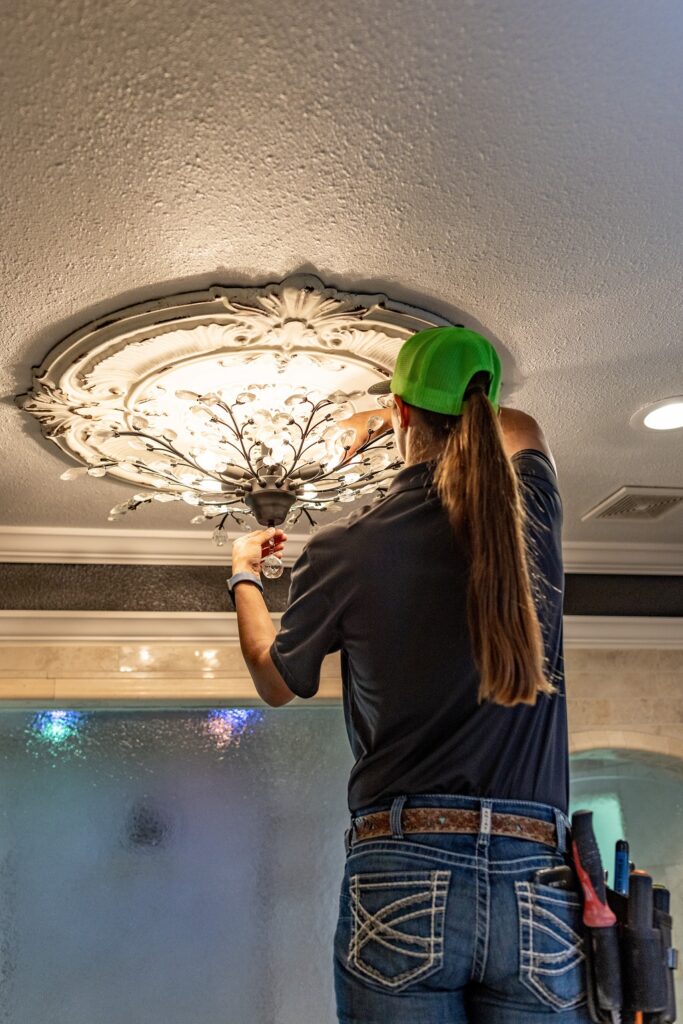
Hiring a qualified electrician for pool and spa installations is essential for ensuring safety and compliance with electrical codes. Professionals bring the expertise needed to navigate complex electrical systems and implement safe practices during installation.
Qualified electricians are familiar with the latest regulations and can help avoid common pitfalls that may lead to electrical hazards. They also provide valuable insights on energy efficiency and maintenance, ensuring that your pool or spa operates safely and effectively.
Common Electrical Hazards in Pool and Spa Installations
Electrical hazards can pose significant risks during pool and spa installations if not properly addressed. Issues such as improper wiring, lack of GFCI protection, and inadequate grounding can lead to dangerous situations, including electric shock.
To mitigate these risks, it is crucial to follow safety guidelines, such as installing Ground Fault Circuit Interrupters (GFCIs) and ensuring that all electrical components are rated for outdoor use. Regular inspections and maintenance can also help identify potential hazards before they become serious problems.
Tips for Maintaining Your Pool and Spa Electrical System
Maintaining your pool and spa electrical system is vital for ensuring safe and efficient operation. Regular checks on wiring, connections, and equipment can help prevent electrical failures and extend the lifespan of your installations.
For example, homeowners should routinely inspect the condition of electrical cords and outlets, ensuring they are free from damage and corrosion. Additionally, scheduling annual inspections with a licensed electrician can help identify any issues early and keep your electrical system in optimal condition.